

HP Ultrabook: Sleek Design Meets Everyday Performance
- Chassis: Moonlight Blue, matte finish, subtle brushed finish
- Weight: 3.52 lbs – feels like a feather on a laptop
- Dimensions: 14.17 x 9.29 x 0.73 in – ultra‑compact footprint
- Ports:
- 2 x USB 3.1 Type‑A (5 Gbps)
- 1 x USB 3.1 Type‑C (5 Gbps)
- 1 x HDMI
- Headphone/mic combo jack
- AC smart pin
- Battery: Up to 11 hours under mixed usage
- Keyboard: Full‑size, US layout, scissor switches, backlit (if applicable)
- Touchpad: Precision glass surface, multi‑gesture support
- Camera: 720p True Vision HD webcam with privacy shutter
The HP Ultrabook feels finished: a slim silhouette that folds under a standard backpack. The electrical skin paid attention to detail, and the hinges flex just enough to reveal the inner content without wobbling. Traveling to a coffee shop or a meeting is no more bulky than a single book.
Display: 15.6” FHD Micro‑Edge Touch – Colour‑Rich, Still Dust‑Proof
- Resolution: 1920 × 1080 pixels, 17.3 ppi
- Panel: IPS, anti‑glare coating, 6.5 mm micro‑edge bezel
- Brightness: 250 cd/m² – enough to handle office lighting but not great for harsh daylight
- Colour gamut: sRGB 100 % – matches most consumer devices
- Touch: 10‑point capacitive, full‑color, low latency
- View angles: 170° horizontal, 140° vertical
The touch layer feels buttery‑smooth, response is immediate, and the refresh visibility is good for everyday use. The thin bezel lets the screen be the star – only a 6.5 mm boundary separates the content from the frame. On a bright sunny day, the anti‑glare coating deflects glare, though a reflective 300 cd/m² panel would have made it happier in the outdoors. For mainstream streaming, office work, or light photo retouching it holds its own.
Performance: Powered by Intel Core i3‑N305, Enough for Light Workloads
- CPU: 8‑core, 6‑thread, 1.1 GHz base, 4.4 GHz turbo
- GPU: Intel UHD Graphics 825
- RAM: 16 GB DDR4, 2400 MHz, dual‑channel – spontaneous fast enough for multitasking
- Storage: 256 GB PCIe NVMe SSD – boot in a blink, quick file access
- OS: Windows 11 Home (14‑month LTS) – smooth, Windows‑aesthetic UI
Everyday Tasks
- Office productivity: Excel, Word, PowerPoint – opening, editing, and saving feel almost instantaneous.
- Multitasking: Switching between two or three web browsers, a spreadsheet, and a text editor runs without lag.
- Video playback: 1080p, 60 fps YouTube or Netflix plays flawlessly; no stutter.
Not for Demanding Work
- Gaming: There is no competition with dedicated GPUs. Light retro titles and indie games run but graphics are basic.
- Content creation: 4K editing or 4K photo retouch feels sluggish; the processor struggles with heavy filter application.
- Virtualization: Running two VMs is possible but the performance dips.
Overall, the Core i3‑N305, with 8 cores, is surprisingly competent for day‑to‑day computing. The processor handle larger than usual test piles it passes like a champ. Under full load, it accepts some thermal throttling, but fan noise is minimal.
Connectivity & Battery: Always Plug‑in & Almost‑All‑Day
- Wi‑Fi 6: 802.11ac + 802.11ax – reliable speeds up to 300 Mbps; negligible drop in office networks.
- Bluetooth 5.1: Stable pairing for mouse or headphones;
- Ports: USB‑C supports DisplayPort but lacks power delivery > 15 W. USB‑A works for external drives or peripherals.
- HDMI: 4K@30 Hz – can mirror workstation to a projector.
Battery Life
- Standby: ~13 h (battery healthy)
- Mixed use (web, document): ~11 h
- Full load (gaming, video): ~4–6 h
The battery sustains a full workday on AC or runs long enough between charges for a quick lunch break. The smart AC pin charges 70 % in an hour – quick enough to get on the go.
Audio, Keyboard & Webcam – The Everyday Companion
- Speakers: Dual stereo, 2 W each; clear voices, mid‑range decent; bass is thin.
- Microphone: Stereo mic array – auto‑gain reduces background chatter.
- Keyboard: Scissor‑style keys, 0.9 mm travel; clicks are quiet, backlit light is subtle.
- Touchpad: Glass, familiar trackpad, 10‑finger gestures.
- Webcam: 720p HD camera with privacy switch; video chat looks modest but functional.
If you host video calls, the webcam is adequate for meetings where clarity is more about facial expression than resolution. The speakers are enough for isolation‑based listening but headphones prove superior.
Bottom Line – The Right Choice?
The HP Ultrabook delivers exactly what its price segment promises: a lightweight, portable chassis with a full‑featured Windows 11 experience, a capable processor for everyday tasks, and a decent battery for a typical workday. The micro‑edge touchscreen and IPS panel provide a bright, glanceable display for multitasking and casual media.
Where it falls short is when you hand it a heavy lift: gaming, intensive video editing, or memory‑hungry workloads will feel underpowered. Even the internal 256 GB SSD is significantly under‑usable for heavy media libraries or software suites.
In summary, if you’re a student, a light‑weight professional, or a casual media consumer who needs a reliable, anytime‑on laptop that can be carried through lunch and out of an airport gate, the HP Ultrabook is a solid option. For more demanding use, consider a Ryzen or Intel i5‑series model that offers a better GPU and more temperature headroom.





iTouch Aura: Audio works, 'smart' features are basic.
HP Ultrabook 15.6" i7‑1255U: 32GB RAM, 1TB, Business‑Ready

Good value Motherboard. Works right out of the box.

Fast, tiny External SSD with great cable. Very reliable.

Roku Wireless Speakers: good but skip if you have Roku SE.
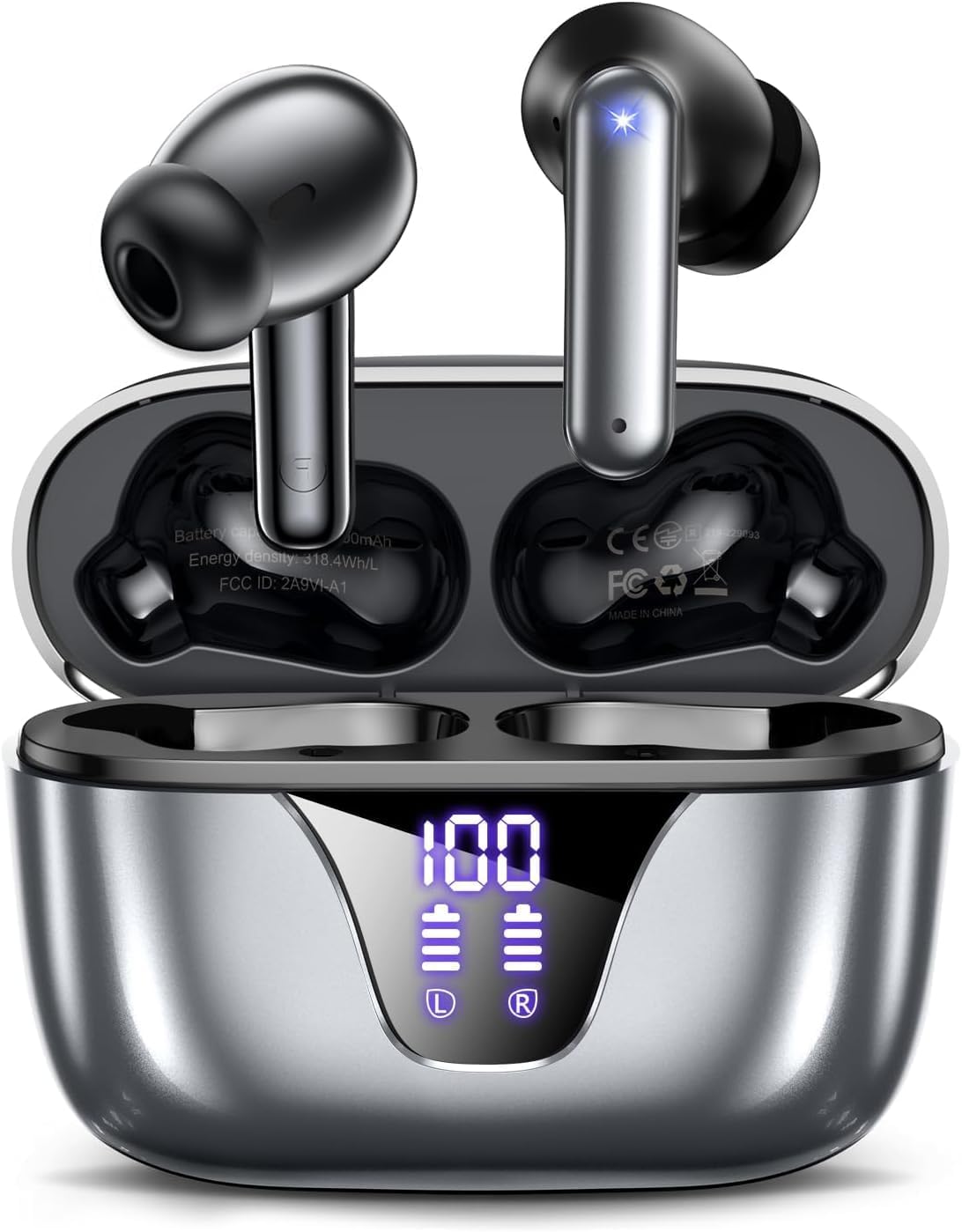
Waterproof LED earbuds. 50H playtime claim is high.
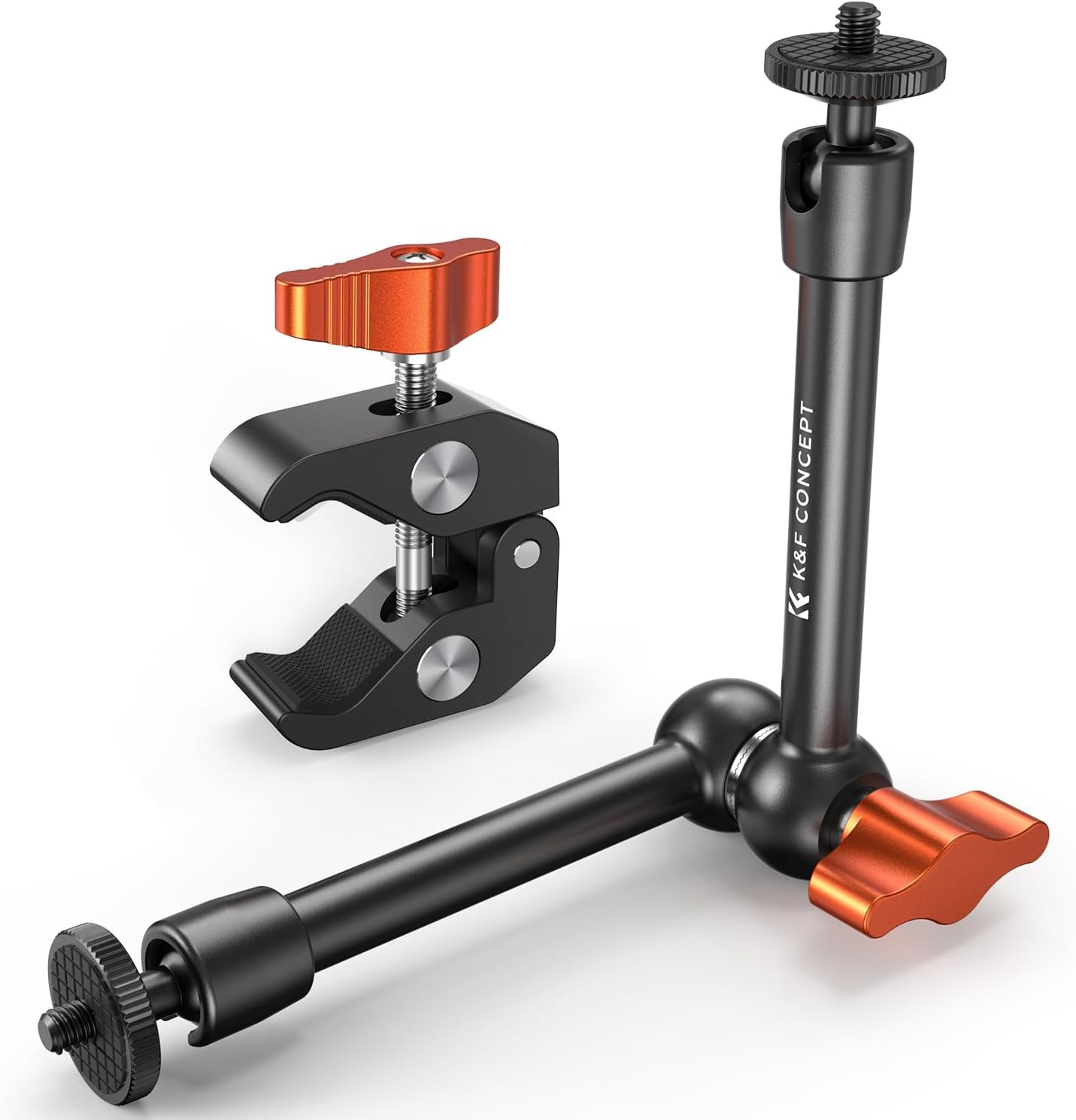
This Magic Arm holds firm. Flexible, but check your load.

It's just a light bulb. Don't expect miracles.

HP OmniStudio: Barely adequate. Manage expectations.
